
Backup power
Generator & Battery Backup Installation in Centennial, CO
Standby generators, home battery systems and transfer equipment installed so an outage means a short pause instead of a cold house. Centennial, Castle Pines and the south metro.
Keeping the Furnace Running When the Grid Stops
Outages on the Front Range are not usually long, but they have a habit of arriving with heavy wet spring snow or a summer storm, which is precisely when a house needs its furnace, its sump pump and its refrigerator.
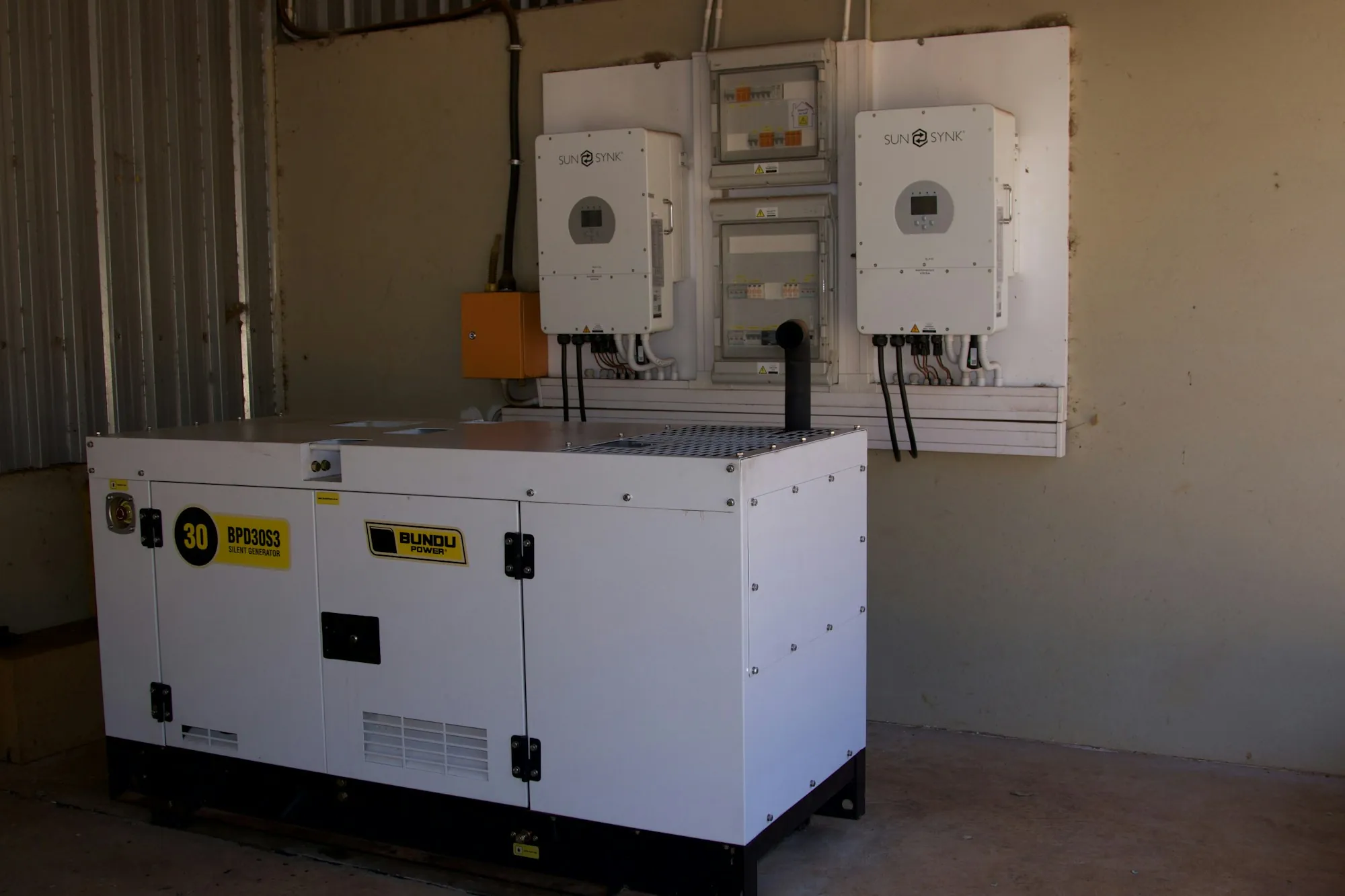
Centennial Electric installs standby generators, battery systems and the transfer equipment that connects them, across Centennial and the surrounding south metro. The decision between a generator and a battery is genuinely open and depends on what you are trying to protect. A standby generator runs indefinitely on natural gas and will carry a whole house including air conditioning, but it needs a gas connection, a concrete pad, clearance from windows and openings, and it makes noise. A battery system is silent, maintenance-free and pairs with solar, but it carries a selected set of circuits for a limited window.
Plenty of households are better served by a smaller, well-chosen set of backed-up circuits than by whole-house coverage they will rarely use.
What a Backup Installation Covers
Sizing, siting, switching and a commissioning test you watch.
- 1Load assessment and sizingWe establish what you want running during an outage, whether that is the furnace, sump, refrigerator, well pump, a few circuits or everything, and size the equipment to that rather than to a catalogue tier.
- 2Generator or battery recommendationAn honest comparison of running cost, fuel source, noise, maintenance, siting constraints and how long each carries your chosen loads.
- 3Siting and clearance planningGenerators need separation from windows, doors and vents, a level pad and a position that respects your neighbours. We plan it before anyone orders equipment.
- 4Automatic transfer switch installationThe device that isolates the house from the utility before the generator energises, which protects line crews and is non-negotiable.
- 5Manual transfer or interlock optionsFor smaller budgets, a code-compliant interlock kit and inlet, so a portable generator can feed selected circuits safely instead of through a backfeed cord.
- 6Essential-circuit sub-panelWhere only part of the house is backed up, a sub-panel carrying the selected circuits so the transfer equipment has a clean boundary.
- 7Battery system and inverter installationMounting, DC and AC wiring, rapid shutdown where required, and integration with existing or planned solar.
- 8Gas and pad coordinationWe coordinate with the gas fitter and the pad work so the sequence lands in the right order and nobody is waiting on anyone else.
- 9Permit, inspection and utility notificationElectrical permit filed and attended, and any required notification to the utility for interconnected equipment.
- 10Commissioning and a live testWe simulate an outage with you watching, confirm the transfer timing, verify the backed-up circuits and walk you through the maintenance schedule and the exercise cycle.
How a Backup Project Runs
The conversation about scope
This is the step that decides whether the project costs what it should. We go through what has to stay running, how long, and what you are willing to live without. Then we size equipment to that answer and give you two or three written options at different price points rather than a single take-it-or-leave-it number.
Coordination and installation
Equipment lead times, the gas connection, the pad and the electrical work all have to land in sequence, and we manage that so you are not chasing three trades. The electrical installation itself, meaning the transfer switch, sub-panel, conductors and the connection to the generator or battery, is typically one to two days on site.
Inspection, test and handover
The jurisdiction inspects, we attend, and then we run a live transfer test with the utility feed cut so you see exactly what happens and how long it takes. You get the permit record, the manufacturer registration, the maintenance schedule and a labelled panel.
Why Centennial Electric for Backup Power
We size to your actual outage, not to the catalogue
A whole-house unit is an easy sale and frequently more machine than a household needs. We would rather back up the furnace, the sump, the kitchen and the office properly and let you keep the difference.
The transfer switch is the part we do not compromise on
Backfeeding a panel through a cord kills line workers. Every installation we do includes a listed transfer switch or a code-compliant interlock, with no exceptions and no cheaper variation on offer.
You see it work before we leave
A commissioning test with the utility feed cut is the only honest proof the system does what it promised. We run it with you standing there and we make sure you know how to start and stop the thing yourself.
What you get on every job
- Licensed & Insured
- Listed Transfer Equipment Only
- Permit Filed and Inspection Attended
- Live Commissioning Test
- Workmanship Warranty
Decide What Has to Stay On
Start with a list of what cannot go dark, and the rest of the decision gets much simpler. We will price two or three honest options against that list and explain what each one gives up. Serving Centennial, Castle Pines, Parker, Lone Tree, Highlands Ranch and the surrounding south metro.
Licensed, insured and permit-handling electricians. (303) 529-7038.